


Top Macro Photography Equipment - Your Ultimate Macro Gear Guide!
Hey there, fellow nature lovers and wildlife adventurers! If you’ve ever been mesmerized by the tiny details of a flower petal or the intricate patterns on a butterfly’s wing, then you’re in the right place. Today, I’m super excited to share with you the top macro photography equipment that will take your close-up shots from ordinary to extraordinary! Whether you’re just starting out or you’ve been snapping tiny wonders for years, this macro gear guide has something for everyone. Let’s dive in and explore the tools that will help you capture the magic of the miniature world!
Your Essential Macro Gear Guide: What You Need to Get Started
Starting your macro photography journey can feel a bit overwhelming with all the gear options out there. But don’t worry! I’m here to break it down for you in a simple, friendly way. Here’s the core equipment you’ll want to consider:
Macro Lenses: These are the heart of macro photography. A dedicated macro lens lets you focus super close to your subject, revealing details invisible to the naked eye. Popular focal lengths include 60mm, 90mm, and 100mm. The longer the lens, the more working distance you get, which is great for shy critters!
Extension Tubes: If you’re on a budget, extension tubes are a fantastic way to turn your regular lens into a macro lens. They fit between your camera body and lens, allowing closer focusing.
Tripod: Stability is key! A sturdy tripod helps eliminate camera shake, especially when shooting at slow shutter speeds or in low light.
Ring Lights or Macro Flashes: Lighting can make or break your shot. Ring lights provide even illumination around your lens, while macro flashes offer more control and power.
Focus Rails: For precise focusing, especially in focus stacking, a focus rail lets you move your camera in tiny increments.
Each piece of gear plays a unique role in helping you capture those stunning close-ups. And guess what? You don’t need to buy everything at once. Start with a good macro lens and tripod, then add accessories as you grow!
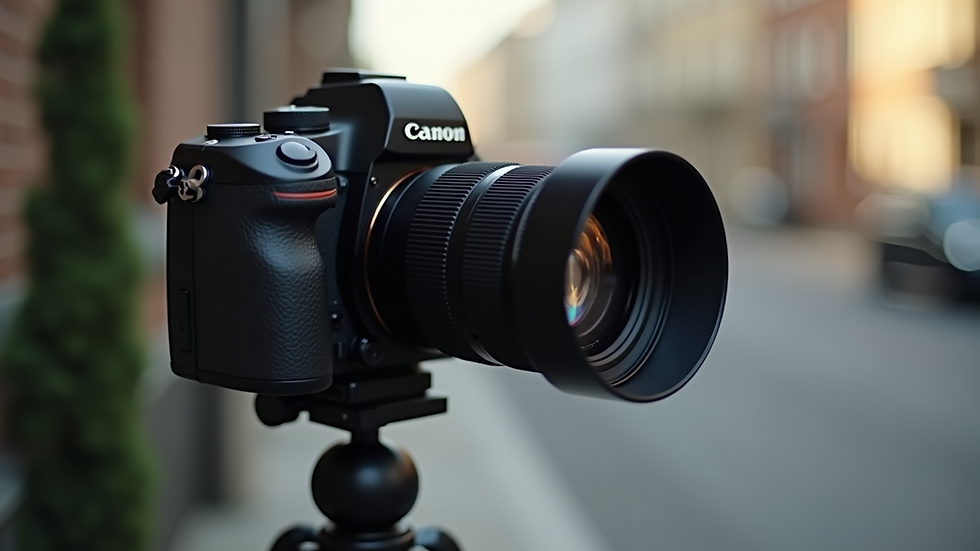
Choosing the Right Macro Lens for Your Style
Let’s talk lenses! Picking the right macro lens is like choosing the perfect pair of shoes - it has to fit your style and needs. Here’s a quick rundown of popular options:
50mm Macro Lenses: Great for beginners and budget-conscious photographers. They’re lightweight and versatile but require you to get very close to your subject.
90mm to 105mm Macro Lenses: These are the sweet spot for many nature photographers. They offer a comfortable working distance and excellent image quality.
150mm and Above: If you want to photograph insects or other skittish subjects, longer lenses keep you at a respectful distance without sacrificing detail.
Pro tip: Look for lenses with a 1:1 magnification ratio. This means the subject is projected life-size on your camera sensor, giving you those jaw-dropping details!
Is Macro Photography Difficult to Learn?
I get asked this a lot! The short answer? It can be challenging, but it’s absolutely doable and incredibly rewarding. Macro photography requires patience, practice, and a bit of technical know-how. Here’s what you need to keep in mind:
Depth of Field is Tiny: When you’re shooting super close, the area in focus is razor-thin. You’ll need to master aperture settings and sometimes use focus stacking techniques.
Lighting is Crucial: Natural light can be tricky, so learning how to use flashes or reflectors will boost your shots.
Steady Hands or Support: Even the slightest movement can blur your image. Using a tripod or focus rail helps a lot.
Subject Behavior: If you’re photographing insects or flowers outdoors, you’ll need patience and timing to catch the perfect moment.
But here’s the best part - every shot you take teaches you something new! With each click, you’ll get better and more confident. Plus, the thrill of revealing a hidden world is totally worth the effort!

Must-Have Accessories to Elevate Your Macro Shots
Once you’ve got your lens and tripod, it’s time to think about accessories that can really up your game. Here are some of my favorites:
Diffusers and Reflectors: Soften harsh sunlight and bounce light where you need it.
Remote Shutter Release: Avoid camera shake by triggering your shutter without touching the camera.
Cleaning Kit: Macro lenses attract dust and fingerprints, so keep your gear spotless.
Protective Filters: Use UV or clear filters to protect your lens from scratches and dirt.
Portable Field Microscope: For extreme close-ups, some photographers use portable microscopes that attach to their cameras.
These tools might seem small, but they make a huge difference in your final images. Plus, they’re fun to experiment with!
Advanced Macro Photography Equipment for the Pros and Enthusiasts
If you’re ready to take your macro photography to the next level, here’s some advanced gear to consider:
Focus Stacking Software and Hardware: Combine multiple images focused at different points to get super sharp photos with incredible depth.
Bellows: These flexible, accordion-like attachments give you even more magnification than extension tubes.
High-Speed Macro Flashes: Perfect for freezing fast-moving insects in action.
Weather-Sealed Lenses and Cameras: For shooting in tough outdoor conditions without worry.
Investing in these tools can be a game-changer, especially if you’re passionate about capturing the tiniest details in nature.
Ready to start your macro photography adventure? Remember, the right macro photography equipment can make all the difference. Whether you’re snapping dew drops on a leaf or the delicate wings of a dragonfly, the gear you choose will help you tell your story in stunning detail. So grab your camera, get outside, and start exploring the miniature world around you!
Happy shooting!


Comments